
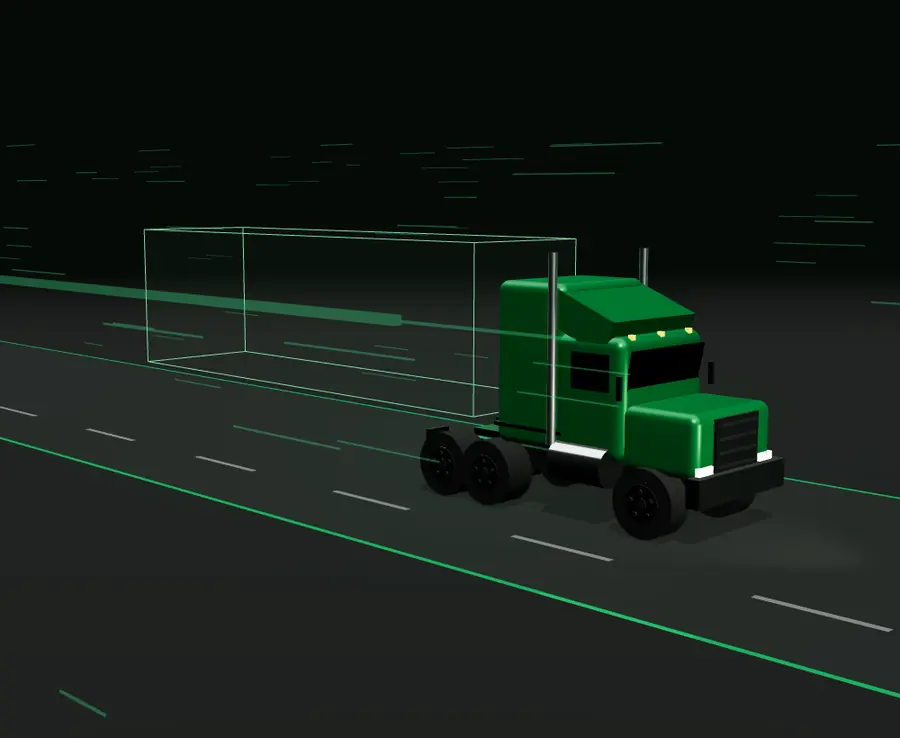
How leasing on works
You keep owning and driving your truck. For the length of the lease, you haul under the carrier's MC and USDOT number, and the truck displays the carrier's name. The carrier has possession and control of the equipment during the lease and is responsible for it under its authority. You're paid a percentage of each load or a set amount, as written in the lease.
What to compare between carriers
- Pay: percentage split or flat amount, and what you actually keep after chargebacks
- Chargebacks: fuel, insurance, ELD, plates, IFTA, escrow — what is deducted and how much
- Escrow: how much is held and when it's returned after the lease ends
- Payment speed: weekly settlements and how fast after delivery
- Freedom: can you choose loads and home time, and who dispatches you
- Safety record and authority status on the FMCSA website
What you'll usually need
A valid CDL (or the right license for your equipment), a current DOT medical card, a truck that passes a DOT inspection, an acceptable driving record, and the ability to pass a pre-employment drug test and Clearinghouse query. Many carriers also require bobtail and physical damage insurance.